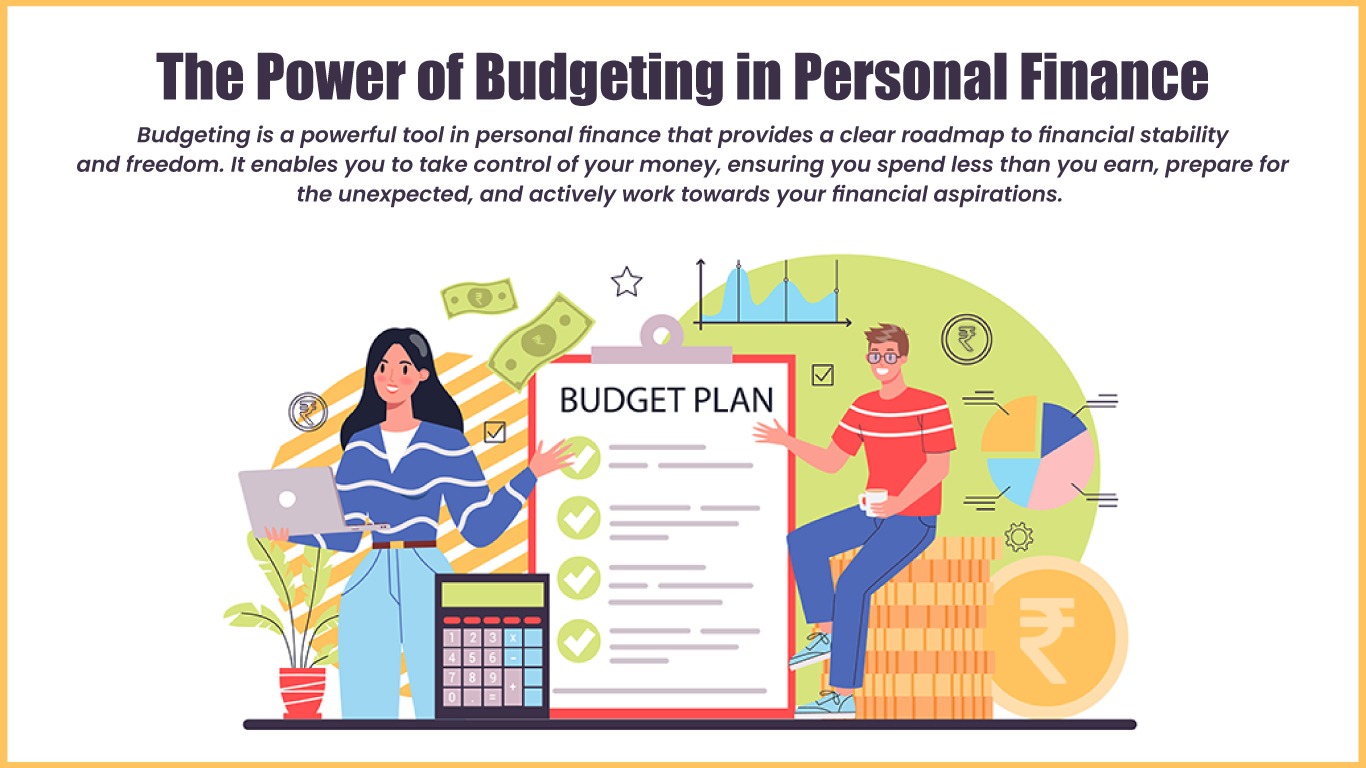
The Power of Budgeting in Personal Finance
Personal finance is not only about earning money; it is mostly about managing the money you already have. Many people search for the best stocks or the highest interest investments, but they forget one basic tool that builds the foundation of wealth—budgeting. Budgeting is a simple plan that tells your income where to go instead of wondering at the end of the month where it went. When this habit is combined with compounding, financial life slowly becomes strong and peaceful.
What Budgeting Really Means
In very easy words, budgeting means writing your total monthly income on one side and all expected expenses on the other side. The difference between both is your saving capacity. This calculation does not require mathematics degree; it only requires honesty. A budget can be prepared in a notebook, Excel sheet, or any mobile application. The form is not important; the awareness is important. Finance begins when a person accepts that every rupee has a job.
Many families run without a budget for years. They pay bills, buy groceries, travel, and enjoy weekends, but there is no record. Without record, improvement is impossible. A budget acts like a mirror. When you see your expenses clearly, unnecessary spending automatically reduces. This change looks small in the beginning, but after ten years it may create lakhs of additional savings. That is silent compounding created by budgeting.
Why High Income Alone Fails
India and the world are full of examples where highly paid professionals remain financially weak. The reason is simple—expenses grow faster than income. Bigger house rent, costly cars, branded clothes, and online subscriptions eat everything. Budgeting controls this lifestyle inflation. Finance rewards discipline more than show.
A person earning 30,000 rupees with a strict budget may save more than someone earning 60,000 with careless habits. The first person becomes investor; the second becomes consumer. Compounding works only for investors. Therefore budgeting is not boring restriction; it is smart freedom for the future.
Steps to Create a Simple Budget
First, list fixed expenses: rent, school fees, electricity, internet, insurance premium. These are non-negotiable.
Second, list variable expenses: food outside, travel, shopping, entertainment. These can be controlled.
Third, decide a minimum saving target before the month begins. Pay yourself first. Finance is like farming—seed must be kept before cooking the harvest.
Automatic rules help beginners. For example, 50 percent for needs, 30 percent for wants, 20 percent for savings. This formula can be changed according to city and family size, but it gives starting road. A budget should be realistic; otherwise it breaks like weak diet plans.
Emergency Fund and Budgeting
A budget without an emergency fund is dangerous. Life is uncertain. Medical needs or job gaps can force you to use credit cards or break long-term investments. Keeping three to six months of expenses in a safe account gives confidence. Compounding hates interruption, and emergency fund prevents interruption. Finance should plan for rainy days, not only sunny days.
Debt: The Enemy in the Room
When loans carry very high interest, budgeting must focus on clearing them first. Credit card dues of 36 to 48 percent destroy all growth. Many young boys and employees feel rich because of card limits, but they are funding the bank’s compounding. Finance wisdom says—close costly debt before chasing profit.
After debt is cleared, the same EMI amount can be shifted to monthly SIP in mutual funds. This single decision can change the direction of wealth for decades.
Budgeting for Different Goals
Every family has goals. Some are short like buying a phone or visiting Mizoram by train; some are long like children education and retirement. Budgeting links present income with those dreams. If goals are written inside the budget, motivation increases. Finance becomes emotional but in a healthy way.
For short goals, keep money in debt or liquid funds. For long goals, use equity mutual funds or index funds. Matching goals prevents sudden exit and supports compounding.
Role of Technology
Today mobile apps make budgeting very easy. Automatic categorization, reminders, and online statements reduce paperwork. Earlier people had to visit banks; now finance lives in the pocket. Still, psychology is human. Do not check portfolio daily; check budget weekly. Compounding needs long silence like a small plant.
Common Mistakes in Budgeting
Many beginners prepare a budget only after the month ends. That is not budgeting; that is history writing. A budget must guide the coming month. Others keep the plan too strict and ignore festivals and family joy, so it breaks. Finance discipline should include happiness; otherwise money loses meaning.
Another mistake is not increasing investment gradually when income rises. Add a small part of increment to SIP every year. This creates step compounding without feeling burden.
Mutual Funds and Budget Partnership
Mutual funds are simple machines for compounding. Growth option reinvests automatically; dividend payout breaks the chain. Beginners should prefer growth for long goals. Direct plans have lower expense than distributor plans, but distributors help literacy for offline investors. Finance choice depends on your comfort.
Debt funds compound better than saving accounts with similar safety. Hybrid funds help retired parents who fear full equity. Stock market compounding is exciting but emotional; mutual funds reduce emotion.
Inflation Awareness
Inflation means prices rising every year. If returns are below inflation, real wealth will not grow. Compounding should beat inflation. Therefore investing only in low interest accounts may be insufficient. Learning about growth assets is important.
Education of Children
Families should teach teenagers not only to save but also to invest. Piggy bank is good; investing knowledge is better. Finance education in school can protect first salary from waste.
Charity Example
Social foundations also invest donations to generate income for long service. Universities survive on compounded endowment. Compounding can support society, not only individuals. Finance becomes noble.
Final Conclusion
Budgeting is neither difficult nor boring. It is a simple partnership between awareness, discipline, protection from debt, and regular investment. Any person who respects this can use compounding. The journey may look slow, but years change everything. Start today. Even a small coin planted now can become a tree in the future.